Coaching
For people determined not to pass their damage forward.
Lōkahi Ola coaching. Mind, body, and soul, trained together.
Mind. Body. Soul.
God guides. Mind navigates. Body carries. Soul steadies.
The short version
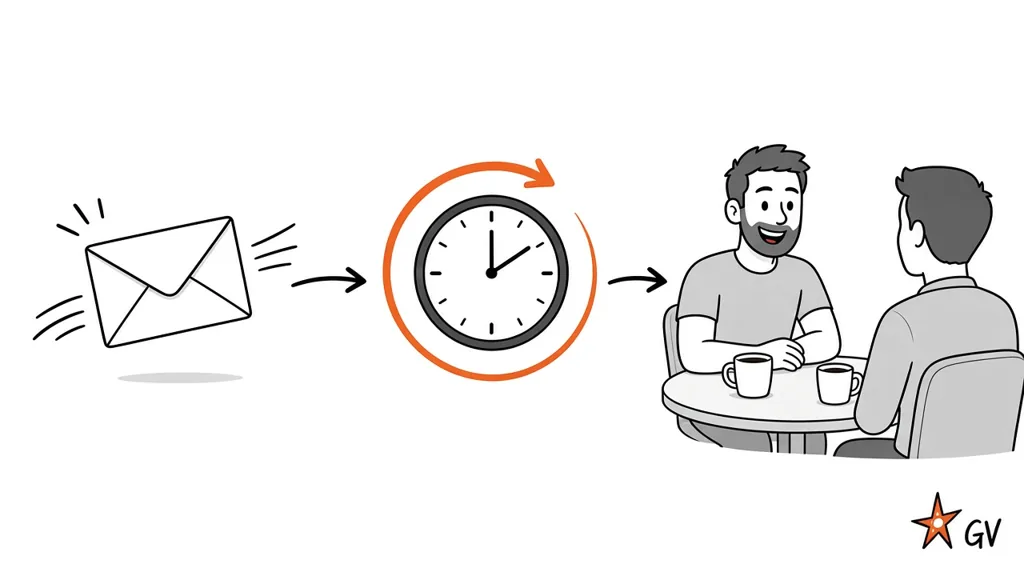
- We talk for 25 minutes, free, by phone or video: where you are, and what’s in the way.
- I write back within 24 hours CT.
- At least three one-hour sessions a week. Real change needs repetition, and repetition needs a set time slot.
- At least eight weeks. Old patterns took years. They don’t leave in a long weekend.
- Between sessions, we stay in touch by text or GroupMe.
- Progress you can measure: body fat percentage, muscle mass, fat mass, and weight, plus a 1–10 check on mind, body, and soul. We re-measure every three weeks.
“It feels different to be in this body today than it did a few months ago.”Ibrahim Kamal

Nothing here works overnight. It works when you work, when nobody is watching, until it works every day.
Side B · Your Next Chapter
Transcript
I’m Guy Valentino.
I’ve trained people for years.
I’ve also carried things no barbell could fix.
That’s why my coaching starts with the whole person.
Mind. Body. Soul.
No overnight promises.
No pretending.
Just honest work and a willingness to change.
If you’re tired of performing fine, tell me where you actually are.
That’s where we start.
I see the pattern under the performance. Mostly because I performed it.
Who this is for
Veterans. Fathers. High performers. People who want strength they can use, habits they can keep, and a life that reflects what they value.
You may have a clear training goal. You may be returning after a difficult season. You may be doing well in one part of life and struggling to carry the same care into another.
We start with where you are: your current ability, your responsibilities, and what gets in the way. Then we build work you can return to.
What we actually do
We train. Actual training. Barbells. Breath. Sweat.
We begin with a baseline and build your fitness, cardio, and meal plans. Sessions are live, in Dallas or online, with a weekly check-in and contact between sessions.
Alongside the training, we look at the routines around it: what you do consistently, what gets postponed, and what happens when the week becomes difficult. We choose a practice you can attach to something you already do.
The plan has to fit the life you actually lead. We practice, review, and adjust.
How I work
I watch how you move, where you hesitate, and how you respond when a movement gets difficult. I listen to what you want from the work. Then I build a plan around your current capacity and the week you actually have.
We pay attention to what you can repeat. We review progress and adjust the work. You should know what we are working on, why we are doing it, and when we will review it.